
Princeton NJ House and Garden Articles

Most recent posting below. See other articles in the "Other Articles" section at the bottom.
Water Saving Tips For Your Lawn
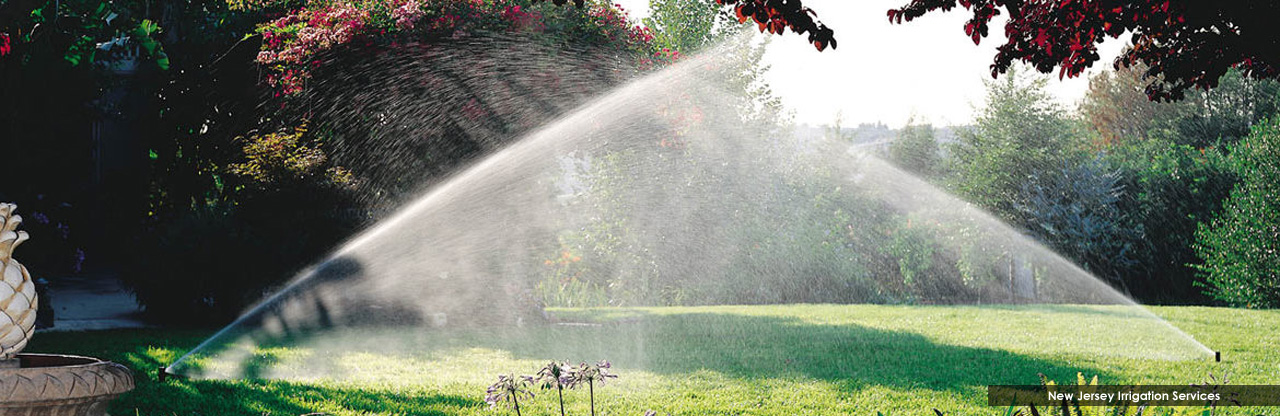
The Environmental Protection Agency reports that nationally, lawn care and landscaping accounts for more than 30 percent of water use in the United States. That is an amazing amount, especially if you consider how much time and energy it takes to treat water to make it suitable for drinking, only to use it on the grass. The worst part of it is that much of this water goes to waste due to inefficient watering techniques.
Knowing how to water you lawn efficiently can make for greener, healthier grass, and big water savings during the year. This article will cover some basic techniques to get the most out of your water when you irrigate your lawn.
When To Water Your Lawn
Water your lawn only when it needs it. The first three to four inches of soil below the turfgrass should be dry before you water. Use an electronic soil tester to test the soil moisture, or use a trowel or a screwdriver to open the soil and feel it with your finger. Another way to test when you lawn needs water is to step on the grass. If you can easily flatten the grass with your foot, you should water it. If the grass regains its form quickly after you step on it, wait to water.
It’s always a good idea to water in the cool of the early morning or the evening to reduce the levels of evaporation. Watering in the morning is best as the water may sit overnight and cause problems with root rot or fungal diseases. Never water on a windy day.
How And How Much To Water Your Lawn
Water less frequently and more deeply. If you water deeply, your roots will begin to grow down further into the soil. This means that your grass will perform better during hot and drought-like periods.
One inch of water is a good rule of thumb for your lawn. However, this will really depend on where you live, the quality of your soil, etc. Soil types can make a big difference on how efficiently your lawn uses water. See this site from the Better Lawn and Turf Institute for a guide to how soil types affect watering rates.
Adding organic compost to your garden soil is one of the best ways to improve the efficiency of your lawn’s water use. You should water a little more during the hottest times of the year, and less during the fall. If your area is getting an inch of rain a week, there is no reason to water more. You should save you water until you need it.
Measuring How Much You’re Watering
Go out and test to see how much water you’re using each time you water. Remember that your goal should be an inch of water about every week. Place a series of shallow containers throughout your lawn. Turn the sprinklers on and water your grass. When you’re finished, measure the water in the dishes. Adjust the time until the water is about an inch deep.
When you do this test, also observe your grass. If you see pools occurring quickly, this means that your soil may need some adjustment. Adding compost will do the trick.
In the meantime, you can turn off the water once the pools start to form and let the water soak in before you continue to water. If you have a sloping lawn, you’ll want to probably reduce the rate of your sprinkler system so that the water has more time to soak in.
If you have an automatic sprinkler system, this test will also help give you a time setting for your sprinkler system. This technique will also help you determine if your sprinkler system is working well. If you note large discrepancies in the level of water in the containers, you may need to adjust you sprinkler system.
Adjusting Your Sprinkler System
Check your sprinkler system to make sure that it’s watering your grass and not your sidewalk, driveway, etc. Check all the sprinkler heads. Some may be clogged or pointing in the wrong direction. Replace and adjust any sprinkler heads that aren’t working properly. You can talk to a professional lawn and garden service if you need help with this. Also check for leaks, broken pipes, etc. If you have a timer for your sprinkler system, set it based on the 1 inch watering system.
How To Water New Lawns
For newly laid sod, give the entire area a good, long drink right after you set up your lawn. You should continue with frequent soakings (every 2 days) for about 2 and a half weeks so that the roots establish. After this period, use the one inch rule for watering your sod.
When you seed a new lawn, it’s important to water it properly. You’ll initially want to water more frequently, but without saturating your lawn. You should keep the first few inches of soil moist during the establishment period. It will probably take a little over a month for the roots to begin to establish. At which point you can use the 1 inch of water rule.
Aerating Your Grass For Efficient Water Use
Soil aeration is another way to get your grass to use water more efficiently. Aerating your grass involves punching holes in your lawn with specialized aerating equipment.
Through time and continued use, the soil beneath your lawn becomes compacted and this affects water drainage, air circulation, and how efficiently your grass makes use of nutrients. The overuse of chemical fertilizers also can create soil compaction. Thus, aerating your soil is one of the best ways to get your lawn to make the best use of water and nutrients.
You should aerate your lawn to about 3-4 inches deep. A lawn coring aerating tool is a great tool for small lawns. For larger lawns, you may want to go ahead and rent a larger lawn aerating machine. When you aerate your lawn, try passing 2-3 times over the same area so that you properly cover your lawn with enough holes. If you use a machine aerator, make sure you leave the soil plugs on the grass. They should decompose quickly and will return nutrients to the soil.
To further increase your water savings, you should mow your grass correctly and use “grasscycling,” which means leaving the grass clippings on your lawn. The grass clippings act as natural mulch, retaining moisture and returning nutrients to the soil. This will improve soil texture and water retention. Reel mowers are a great way to grasscycle.
Removing weeds can also help your grass use water more efficiently, as weeds compete with your grass for water. Invest in a good quality weeder to effectively remove weeds from your lawn.
Also, look for drought resistant and water-wise grasses. This website from Texas Aggie Horticulture is a good place to look for grasses that will use less water than standard turf grasses.
To further your water savings, you can use water absorbing polymers (water crystals) in your lawn to help you save water. These water absorbing gel products, such as Solid Water polymer gels, can help reduce the amount you water your landscaping by up to 50 percent.
Water absorbing polymer gels work by absorbing high quantities of water, in addition to beneficial nutrients, and then slowly releasing the water through osmosis. When mixed into the soil, the gel polymers come in direct contact with the roots of your grass. This translates to extremely efficient use of water in your landscaping. Gel polymers are safe for your family and pets and will not cause problems with root rot or soil borne diseases.

Other Articles
No More Articles Exists.
By Date
2026
-
April (2)
2025
-
March (2)
-
February (1)
2024
-
April (1)
2023
-
March (1)
2022
-
August (1)
-
July (2)
-
April (1)
-
March (1)
2021
-
July (1)
-
April (1)
-
March (1)
2019
-
March (1)
2017
-
March (1)
2016
-
May (1)
2012
-
April (1)
-
February (2)
2010
-
May (1)
2009
-
March (1)
2008
-
March (1)
2007
-
March (2)