-
stuart-slider-8-25.jpg
-
pbs-slider-8-241.jpg
-
pds-garden.jpg
-
math-tutor-slider-5-23.jpg
-
notre-dame-schools-slider-4-24.jpg
-
pcc-slider-7-23.jpg
-
bridge-academy-flag-pic.jpg
-
lewis-slider-2-21.jpg
-
pf-slider-9-24.jpg
-
fasp-slider-8-23.jpg
-
ywca-slider-8-25.jpg
-
princeton-mont-schools-slider-5-23.jpg
-
cedar-hill-slider-8-25.jpg
-
apple-slider-8-25.jpg
-
pjs-slider-6-23.jpg











Local School Voices
Blog Posts from Local Schools

Most recent posting below. See other blog postings in the column to the right.
Why Personalized Tutoring Makes All the Difference: A Look Inside Your Friendly Math Tutor
 When it comes to learning math, everyone’s journey looks a little different. Some students are building foundational skills, others are aiming for top SAT® scores, and many fall somewhere in between. At Your Friendly Math Tutor, we believe that no student should feel like just another number in the classroom — especially when success on major tests and long-term confidence are at stake.
That’s why our approach starts with something simple: one-on-one support built entirely around your student.
Unlike large group classes or self-paced online platforms, individual tutoring offers personalized instruction tailored to each student’s current skill level and learning style. Students benefit from consistent support, flexible pacing, and reduced stress — knowing they’ll be working with the same tutor each week who understands their needs and goals.
Our tutors don’t just help students complete homework—they help them understand math, feel successful, and build long-term academic confidence. We support students from middle school math through advanced college courses, including AP Calculus, AP Statistics, AP Physics, AP Chemistry, and Computer Science.
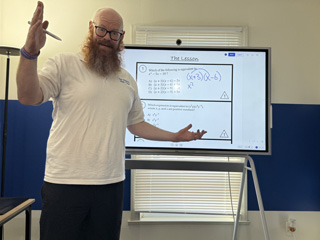 For high school families, the SAT® can feel overwhelming — but it doesn’t have to. We’ve developed a comprehensive SAT® Math program designed to help students master essential concepts, learn test-specific strategies that actually work, use tools like Desmos efficiently, and improve both accuracy and timing. Each session focuses on clear explanations, real practice, and proven methods that help students reach their goals.
And here’s the best part — students don’t have to prepare alone. In addition to our courses and private tutoring sessions, we offer a free weekly online SAT® Math Office Hour where any student can bring questions and learn with us. We also share free tips, strategies, and problem breakdowns on our YouTube and TikTok channels, making high-quality prep accessible to everyone.
We’re a small, family-run business — not a franchise. Being local means we understand the expectations of nearby schools, and being small means we get to know our families personally. Parents often tell us how their children go from “I’m just not a math person” to “Hey, I can do this!” That transformation is what keeps us inspired every day.
Our learning center is located at 4599 Route 27, Suite 204, Kingston, NJ. Students can meet with us in person, online, or both. Every new student begins with a free first session — no commitment required, just a chance to see how we teach and how we can help.
Whether you’re looking for SAT® score growth, stronger math foundations, or confidence-boosting academic support, Your Friendly Math Tutor is here to help students succeed.
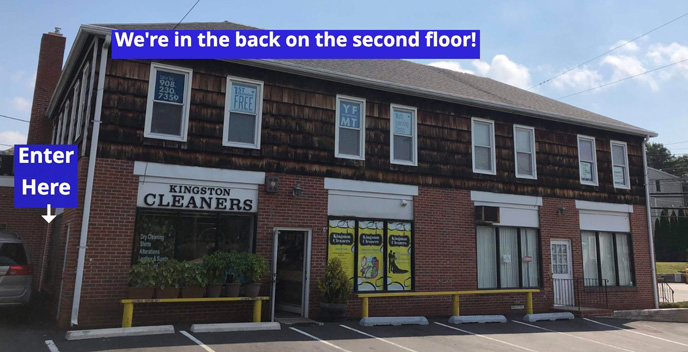
Your Friendly Math Tutor - 908.230.7359

Other Blogs
No More Blogs Exists.
By Date
2025
-
October (1)
2024
-
September (1)
-
April (1)
2023
-
December (1)
2018
-
November (1)
-
October (1)
-
September (3)
2011
-
March (1)
-
January (3)